

Most pages about this topic repeat the same lines: travel slowly, dress modestly, pack light. Those tips are fine, but they don’t help you decide whether to go, what it will cost, or how to get there from the United States. This guide covers those things. It is based on public travel advisories, health guidance and standard backpacker logistics, and it flags every place where you need to check current information before you book.
If you searched for nldburma cwbiancavoyage backpacking advice, you probably want practical planning for Myanmar (Burma) that doesn’t dodge the hard questions. Here is what this guide covers:
- Whether US travelers should go right now
- Visas, insurance and health
- A realistic budget in US dollars
- Two sample routes easy traveling cwbiancavoyage
- A packing list with weights
- How to spend money in a way that doesn’t fund the wrong people
- Comparable destinations if Myanmar doesn’t work out
What “Nldburma Cwbiancavoyage Backpacking Advice” Actually Refers To
The phrase is an odd one. “Cwbiancavoyage” appears to be a blog or brand name, and “nldburma” is not a recognized organization, place or guidebook. Most pages ranking for it are thin, repetitive posts on look-alike domains, and they mix Myanmar, Cambodia and the Himalayas in the same article.
That matters for you because some of those pages give confident advice with no sources and no dates. In a country where conditions change quickly, that is a real risk. Treat any single blog, including this one, as a starting point and confirm the critical details with official sources.
The one useful idea that keeps appearing across those pages is to keep your plans flexible and stay informed. For Myanmar, that isn’t a slogan. It is the main planning rule.
Should You Go? The Safety Question First
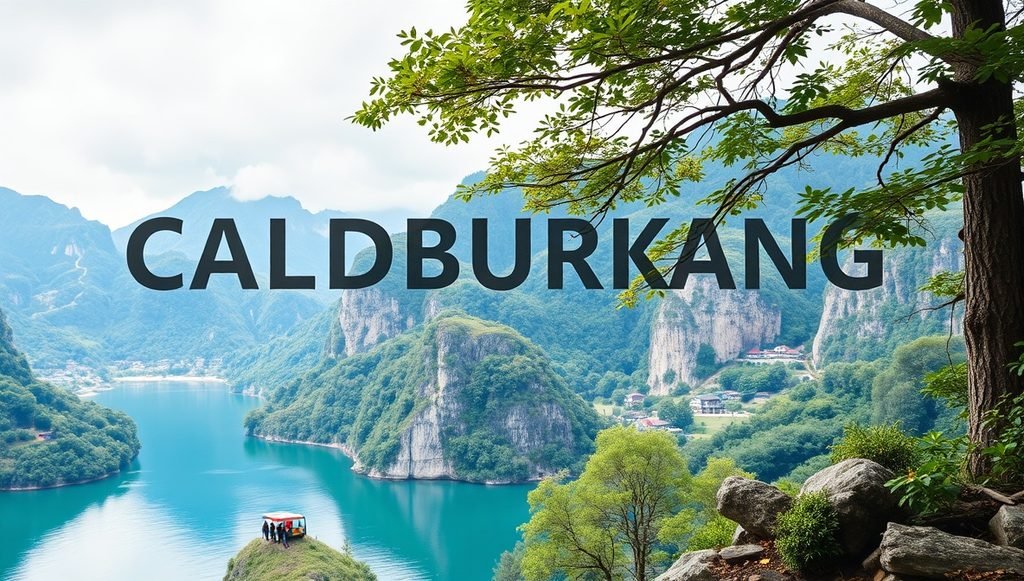
Start here, because everything else depends on it. Since the 2021 military takeover, Myanmar has had armed conflict in several regions, and the US State Department has kept a Level 4 “Do Not Travel” advisory for the country. Check the current level on travel.state.gov before you plan anything, since advisories get updated.
What the risks look like on the ground
- Armed conflict: Fighting has affected parts of Kachin, Shan, Rakhine, Chin, Kayah, Sagaing and other areas. Some regions are closed to foreigners or unsafe regardless of permits.
- Landmines and unexploded ordnance: These are a hazard in conflict-affected areas, so stay on established roads and paths.
- Arbitrary detention: Foreigners have been detained. Posting political opinions online or being found with certain content can create trouble.
- Limited consular help: The US embassy’s ability to assist citizens outside Yangon is limited.
- Communications disruption: Internet shutdowns and mobile network restrictions happen, sometimes regionally and sometimes without warning.
- Transport disruption: Flights, trains and roads can be cancelled or blocked at short notice.
A decision checklist before you commit
| Question | What to check | Where |
|---|---|---|
| Is the advisory level acceptable to you and your family? | Current US State Department level and regional notes | travel.state.gov |
| Will your insurer cover the trip? | Exclusions for Level 4 countries | Your policy wording, in writing |
| Can you leave quickly if things change? | Flight options out, cash reserve, embassy registration | STEP enrollment, airline sites |
| Are your planned regions open to foreigners? | Current restrictions on your route | Recent traveler reports, local guesthouses |
| Can you afford to lose deposits? | Refund terms on flights and tours | Booking confirmations |
A useful rule is that if you can’t answer yes to the insurance and exit questions, don’t book yet. The rest of this guide assumes you’ve checked those and decided the trip is right for you. If you decide it isn’t, the alternatives section below is for you.
Getting There From the United States
There are no direct flights from the US to Myanmar. Most Americans connect through a regional hub.
- Bangkok: The most common route, with frequent flights to Yangon and Mandalay
- Singapore or Kuala Lumpur: Reliable options with good onward connections
- Doha or Istanbul: Useful if you’re coming from the East Coast and want fewer stops on the long leg
Expect 24 to 36 hours of total travel time from most US cities. Book a flexible or refundable ticket if you can, and avoid tight connections because schedules in the region shift.
Visas, entry and paperwork
- Tourist e-visa: Myanmar has offered an online tourist e-visa, historically around US$50 with a stay of 28 days. Fees, availability and processing times change, so apply only through the official government portal and check that the site is genuine.
- Passport validity: At least six months remaining is the safe standard.
- Land borders: Many crossings have been closed or restricted. Don’t plan an overland entry or exit without confirming it’s open to foreigners that week.
- Proof of onward travel: Carry printed confirmation of your exit flight.
Insurance, Health and Vaccines
Travel insurance
Many standard policies exclude countries under a Level 4 advisory. Read the exclusions line by line, and ask the insurer directly whether medical evacuation is covered for Myanmar. Get the answer in writing. A cheap policy that excludes your destination is worse than useless because it gives false confidence.
Health preparation
Talk to a travel clinic four to six weeks before you leave. The CDC’s travel health pages for Myanmar list current recommendations. Typical items include:
- Routine vaccines up to date (MMR, tetanus, flu)
- Hepatitis A and typhoid
- Discussion of hepatitis B, rabies and Japanese encephalitis depending on your route
- Malaria risk assessment, since risk varies by region and season
- Dengue prevention, since there is no widely used vaccine for travelers
Basic health habits on the road
- Drink bottled or filtered water only
- Eat food that is cooked hot and served fresh
- Carry oral rehydration salts
- Bring a basic first aid kit and any prescriptions in original packaging
- Know that medical care outside Yangon and Mandalay is limited
Money, Connectivity and Practical Logistics
Cash
Banking in Myanmar has been unstable in recent years, and exchange rules have changed repeatedly. Travelers have historically been advised to carry clean, undamaged US dollar notes, because torn or marked bills were refused. Confirm current practice before you leave, since official and market exchange rates have diverged at times.
- Carry more cash than you think you need, split between two or three hiding places
- Don’t rely on foreign cards outside big hotels
- ATMs can run out of cash or reject foreign cards
- Keep a small emergency reserve in a separate location
Phone and internet
- Buy a local SIM at the airport or in Yangon, but expect outages
- VPN use has faced restrictions, so understand the local rules before you rely on one
- Download offline maps and your key documents
- Don’t post political commentary, and be careful about what’s on your phone at checkpoints
A Realistic Budget in US Dollars
Prices in Myanmar have moved a lot with inflation and currency changes, so treat these as planning estimates rather than quotes. Update them against recent traveler reports before you go.
| Category | Shoestring (per day) | Mid-range (per day) |
|---|---|---|
| Accommodation | $10 to $20 (dorm or basic room) | $30 to $60 (private room, breakfast) |
| Food | $6 to $12 | $15 to $25 |
| Local transport | $3 to $10 | $10 to $25 |
| Sights and permits | $3 to $10 | $10 to $20 |
| Daily total | About $22 to $52 | About $65 to $130 |
What isn’t in that table
- International flights (often the biggest single cost)
- Travel insurance (get quotes early)
- Visa fee
- Vaccines and medications
- Domestic flights, which can add up quickly on multi-region routes
- An emergency reserve of at least a few hundred dollars
Even nldburma cwbiancavoyage backpacking advice that talks about smart spending usually skips the real number, so here it is. A two-week shoestring trip runs roughly $350 to $750 on the ground, plus flights and insurance. Most people underestimate the transport line.
Two Sample Routes (If Regions Are Open)
Routes depend entirely on what is accessible when you travel. Treat these as templates, and confirm each stop is open and safe before you commit.
Ten days: the classic central circuit
- Days 1 to 2, Yangon: Shwedagon Pagoda at sunset, downtown colonial buildings, the circular train for a local look at daily life
- Days 3 to 5, Bagan: Rent an e-bike, watch sunrise from a permitted temple, and visit smaller temples away from the main crowds
- Days 6 to 7, Mandalay area: Palaces, U Bein Bridge and craft workshops
- Days 8 to 9, Inle Lake: Boat trip, villages and markets
- Day 10, return to Yangon: Build in buffer time before your international flight
Fourteen days: adding slower stops
- Add Hpa-An for limestone caves and countryside, if access is open
- Add a Kalaw to Inle trek with a licensed local guide, staying in village homes
- Add Mount Popa as a day trip from Bagan
Route rules that hold up
- Fly between far-apart hubs instead of taking long overland rides
- Keep two buffer days for cancellations
- Ask your guesthouse about current conditions before each leg, since they often know before official sources do
- Avoid any region flagged in current advisories, even if a tour operator says it’s fine
When to Go
| Season | Months | What to expect |
|---|---|---|
| Cool and dry | November to February | Best weather, highest prices, crowds at Bagan and Inle |
| Hot | March to May | Very high heat, especially in central Myanmar, with lower prices |
| Monsoon | June to October | Heavy rain, muddy roads, fewer visitors, some routes disrupted |
For most backpackers, November to February is the most comfortable window. Book key accommodation early in that period, and expect the best value in the shoulder months if you can handle heat or rain.
The Packing List, With Weights
Backpackers carry everything, so weight matters. A 40 to 50 liter pack fully loaded should ideally stay under 20 pounds, and 15 is better.
Core clothing
- Two or three quick-dry tops that wick sweat (merino or synthetic)
- One long-sleeve lightweight shirt for sun and temples
- Two pairs of lightweight long pants or a skirt covering the knees
- One pair of shorts for downtime
- Three pairs of socks and underwear, washed in the sink
- A packable rain jacket (about 8 to 12 ounces)
- A warm layer for cool mountain nights around Inle and Kalaw
Footwear
- Sturdy sandals or slip-on shoes, since you’ll remove footwear at every temple
- Light trail shoes for trekking
Documents and money
- Passport plus two photocopies and digital scans stored securely
- Printed e-visa and onward flight confirmation
- Insurance policy details and emergency numbers
- Crisp US dollar notes in a separate pouch
Health and safety
- Insect repellent with DEET or picaridin
- Sunscreen and a hat
- Water purification tablets or a filter bottle
- Oral rehydration salts
- Basic first aid supplies and personal medication
- A small padlock and a door wedge for cheap guesthouses
Tech
- Universal adapter and a power bank
- Headlamp for power cuts, which are common
- Offline maps and downloaded documents
- A cheap backup phone if you can spare it
A useful test: if you haven’t used an item on a two-day practice hike near home, ask whether you really need it.
Respectful Travel and Where Your Money Goes
Ethics in Myanmar is not a side topic. Spending decisions have real consequences because parts of the tourism economy are tied to the military and its business networks.
Spending decisions that matter
- Choose locally owned guesthouses over large hotels and chains with unclear ownership
- Eat at family-run restaurants and street stalls
- Hire independent local guides and pay them fairly
- Buy crafts directly from makers in workshops and markets
- Research before you book: Some large hotels, transport firms and entrance fees benefit state or military interests, and advocacy groups have published lists you can check
Cultural etiquette
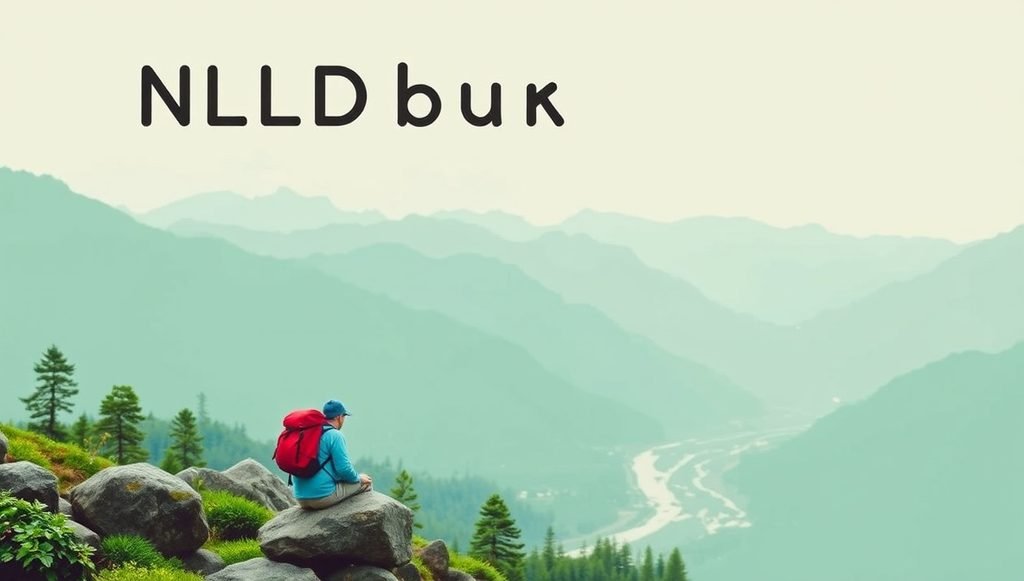
- Cover shoulders and knees at religious sites, and remove shoes and socks before entering
- Never point your feet at Buddha images or monks
- Ask before photographing people, especially monks and villagers
- Avoid public political discussion, and follow the lead of local people
- Learn a few Burmese phrases, since even “mingalaba” (hello) goes a long way
The recurring message in nldburma cwbiancavoyage backpacking advice about respect and slow travel is sound, but the money question is where good intentions turn into action. Take the time to look at where your dollars actually land.
If Myanmar Doesn’t Work: Backpacking Alternatives in Southeast Asia
If the safety, insurance or ethical questions leave you uncomfortable, several nearby countries offer similar temples, food and backpacker infrastructure with far fewer barriers.
| Country | Best for | Ease for US travelers | Typical daily budget (shoestring) |
|---|---|---|---|
| Vietnam | Food, motorbike loops, north-south route | Easy e-visa, extensive backpacker trail | $25 to $45 |
| Cambodia | Angkor temples, islands, history | Visa on arrival or e-visa, simple logistics | $25 to $45 |
| Laos | Slow river travel, waterfalls, quiet towns | Visa on arrival, slower transport | $25 to $40 |
| Thailand | Beginner-friendly, islands, north hiking | Visa-exempt for short stays for US citizens | $30 to $55 |
These figures are estimates and shift with the season and exchange rate, so verify current entry rules and prices before you book.
A sensible compromise is to plan a Southeast Asia trip through Bangkok, spend most of your time in one of these alternatives, and revisit Myanmar later when conditions improve.
Common Mistakes First-Time Backpackers Make
- Skipping the insurance fine print: The policy exists, but it excludes your destination
- Overpacking: A 30-pound bag ruins long days in the heat
- Ignoring buffer days: One cancelled flight can wreck a tight itinerary
- Trusting one source: Cross-check advisories, forums and local contacts
- Carrying only one payment method: Cash, backup cash and a card in separate places
- Booking everything upfront: Keep flexibility, but book key transport in peak season
- Not telling anyone your route: Share your itinerary with someone at home and check in regularly
Final Thoughts
Good planning for Myanmar means treating safety and money as the first chapters, not the last. The most useful nldburma cwbiancavoyage backpacking advice comes down to a short list: verify current advisories, confirm insurance in writing, carry flexible cash, choose local businesses, and keep your route adjustable. If any of those pieces won’t come together, the alternatives above give you a strong trip without the same risks.
Frequently Asked Questions
Is it safe for US citizens to backpack in Myanmar right now?
The US State Department has maintained a Level 4 “Do Not Travel” advisory, so risks are significant. Check travel.state.gov for the current level before deciding.
Do I need a visa to enter Myanmar?
Yes, US citizens generally need a visa, and an online tourist e-visa has been available for about US$50. Apply only through the official government portal.
How much does a two-week backpacking trip cost?
On the ground, roughly $350 to $750 for shoestring travel and $900 to $1,800 for mid-range, excluding flights and insurance. Prices change, so update these before you go.
What is the best time of year to visit?
November to February is the coolest and driest period. March to May is very hot, and June to October is monsoon season.
Will regular travel insurance cover me in Myanmar?
Often not, because many policies exclude Level 4 countries. Ask your insurer directly and get written confirmation of medical and evacuation coverage.
Can I use credit cards and ATMs?
Not reliably outside major hotels, and ATMs may run out of cash or reject foreign cards. Carry clean US dollars and confirm current exchange rules before you travel.
Should I bring a VPN?
Internet controls and VPN rules have changed, so research current local restrictions before relying on one. Download offline maps and documents as a backup.
What are good alternatives to Myanmar for backpackers?
Vietnam, Cambodia, Laos and Thailand all offer temples, food and established backpacker routes with simpler entry and insurance situations.




1 Comment